Language: MATLAB, MiniTab
A Study of Homelessness (Link to Full Paper)
This study of homelessness was one of the most rewarding and view-shaping pieces I’ve done. For our Statistical Methods in Engineering class, we were assigned a term paper to demonstrate what we learned (utilizing both MiniTab and MATLAB). As a local of Santa Cruz, California, I chose to analyze the homeless populations at the state, county, and jurisdiction levels. Santa Cruz has been known for its high density of homelessness along with rising homeless percentages amongst the populous. This study hopes to illuminate the discussion further and demonstrate the statistical significance contrasting California to other states. Additionally, when delving deeper into the county and jurisdiction level, patterns arise that may (when shared) morph the way locals see the ‘transient’ population.
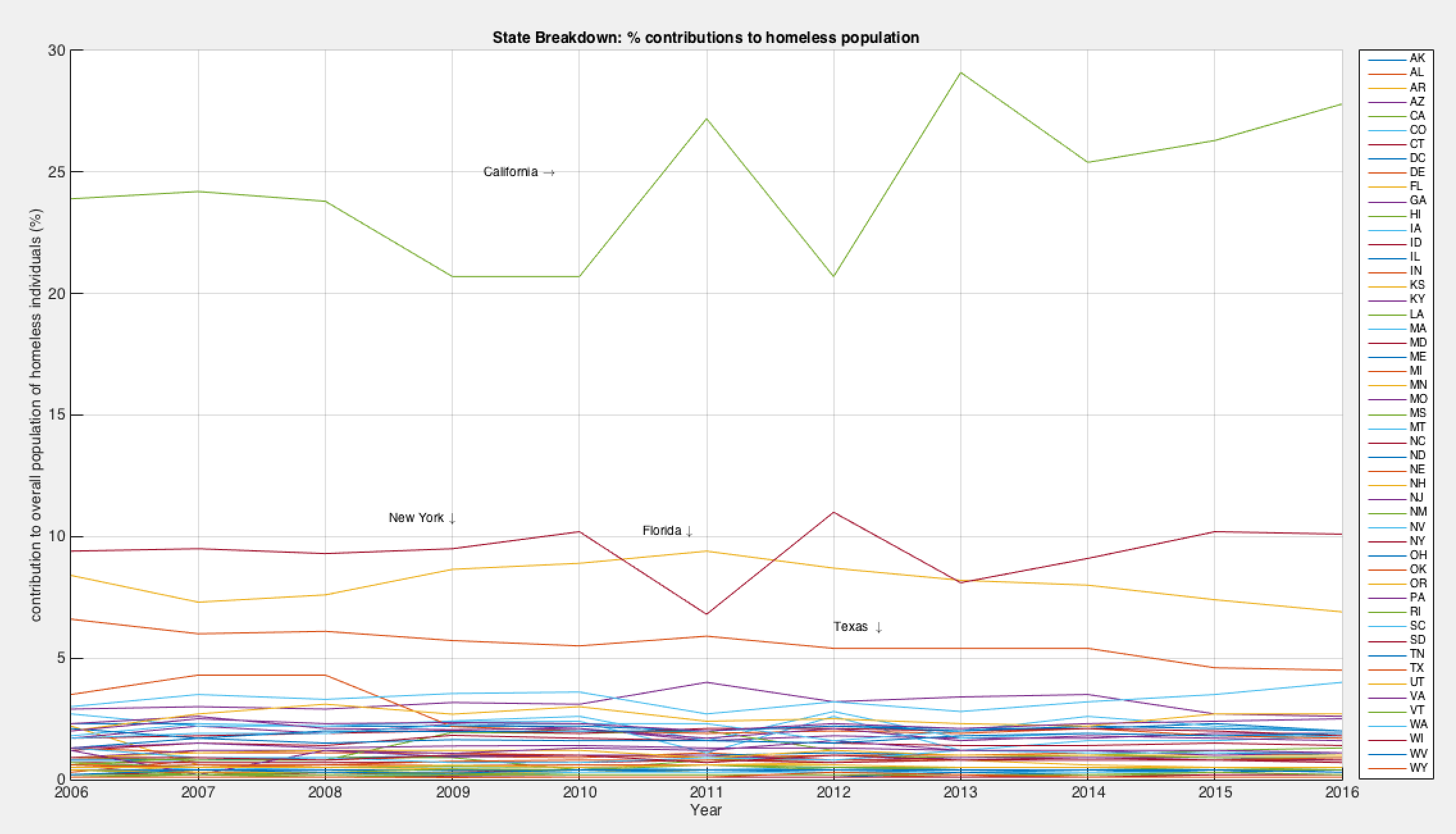
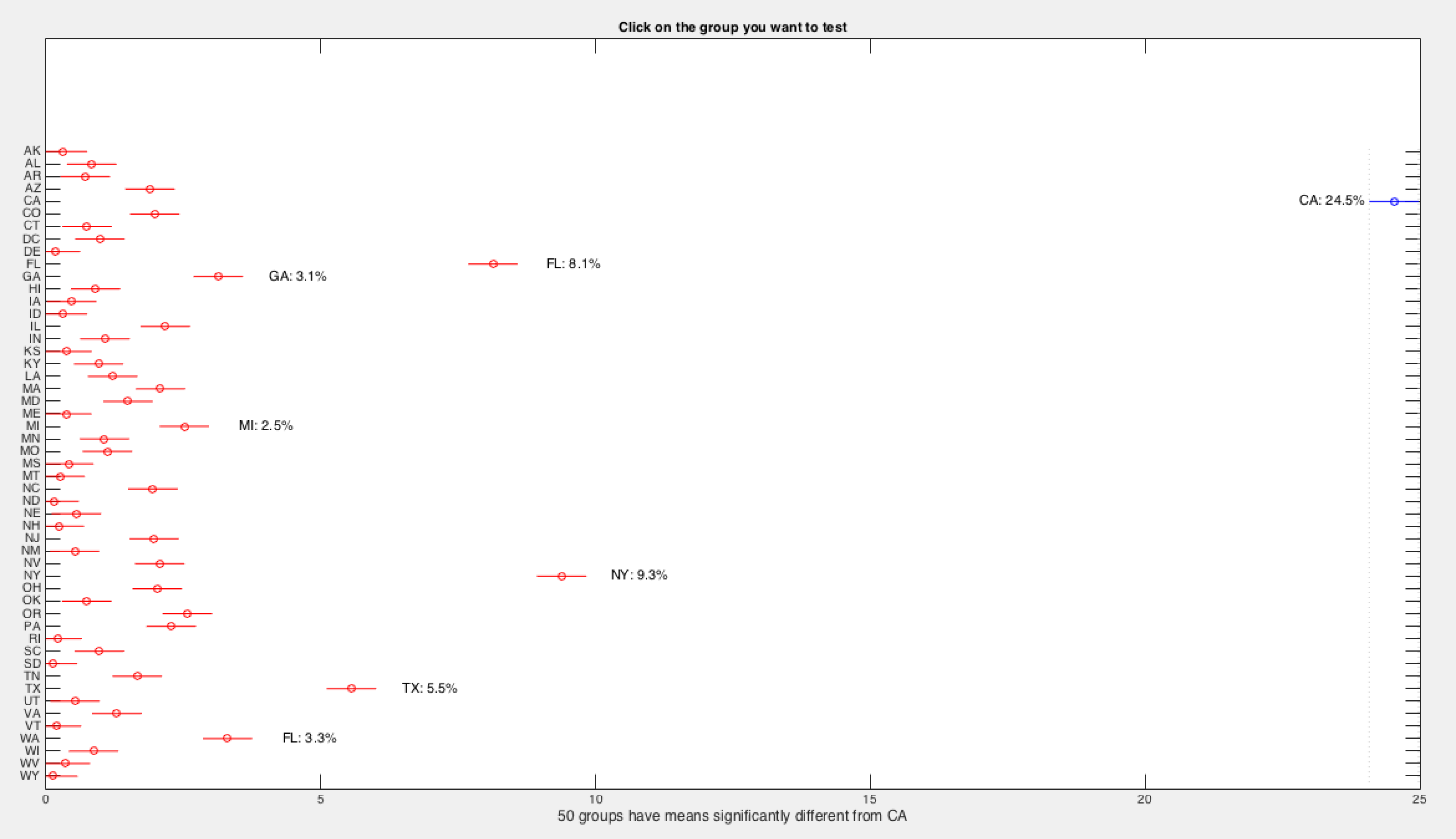
The following eight plots represent some of the key take aways from the study in a succinct manner. While the first six plots provide visuals pertaining to the state, county, and jurisdiction levels, the last two plots were personally the most meaningful.
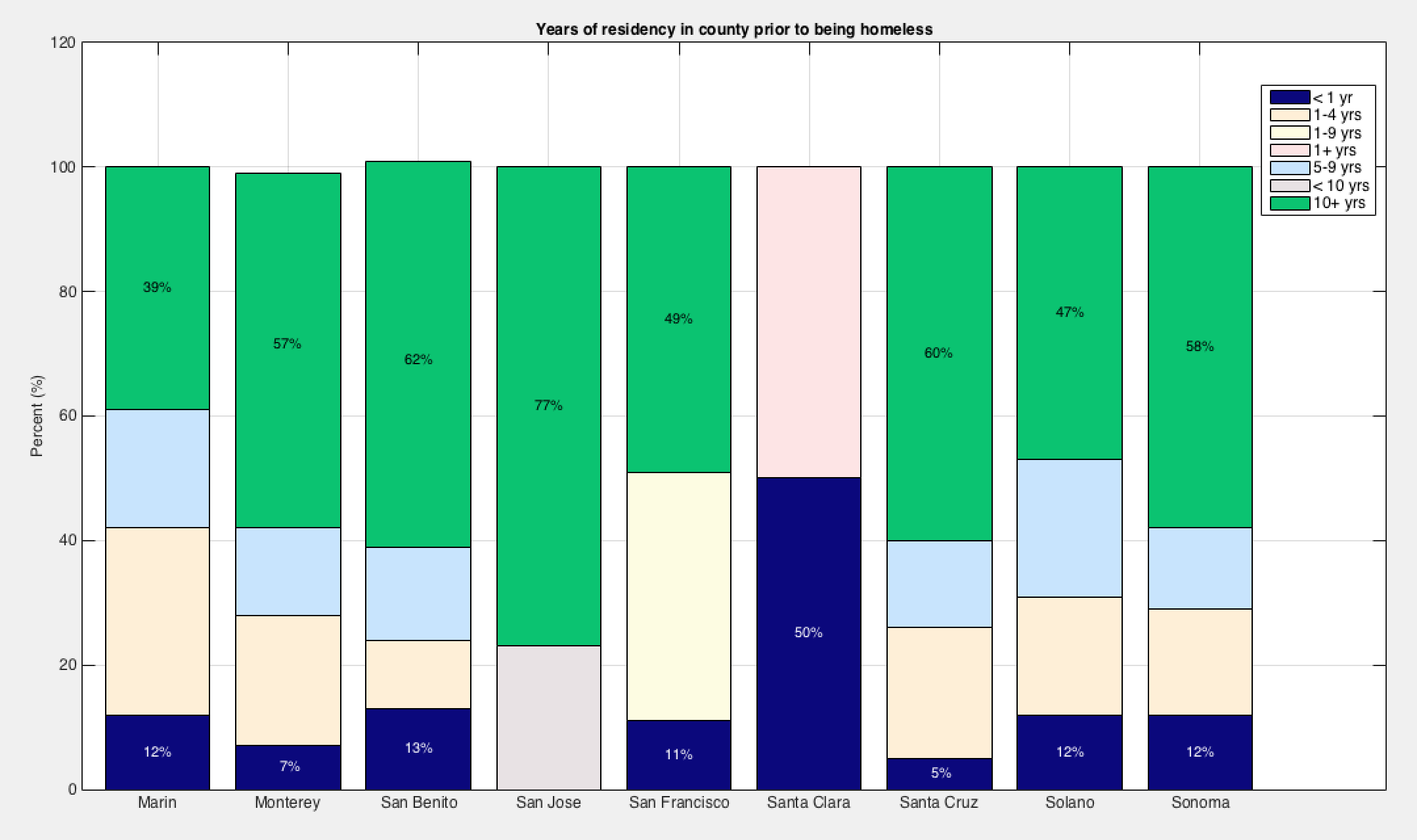
The data below illuminates the fallacy of the current narrative in the Bay Area. What many locals fail to realize, including myself, is that our homeless population consists primarily of individuals who were originally residents. In fact, ~81.33% of the homeless individuals in the Bay Area were previous residents (with a 95% confidence interval range of 76.36% to 86.3%). Additionally, the focal point of the last graph is primarily the following two regions: ten or more years of residency and less than a year of residency. The significance of these two categories comes back to the societal narrative. Currently, ‘transient’ is superfluously used to describe the entire homeless populous. However, based on the last plot, only the purple data points fall into this category (less than a year of residency). In the majority of these counties only around 12% of the entire homeless population can be considered ‘transient’. Meanwhile, the individuals who’ve lived in these counties for ten or more years (green) should without question be considered locals. Currently, this is a misconception and untold story. A common misnomer remains that the coastal environment attracts homeless individuals seeking more moderate climates. While this may be valid in some cases, this now appears to not be as large of a reason as the community suggests it to be. So what exactly is causing this influx of locals becoming homeless in our community? This is the million-dollar question we should be asking and subsequently seeking to answer. It’s time for the perspective of our community to shift and identify these homeless people for who they are, members of our community.
-
- State Level: % contributions to homeless population
-
- State Level (Interactive Plot): means statistically different (red) from selected state (blue)
-
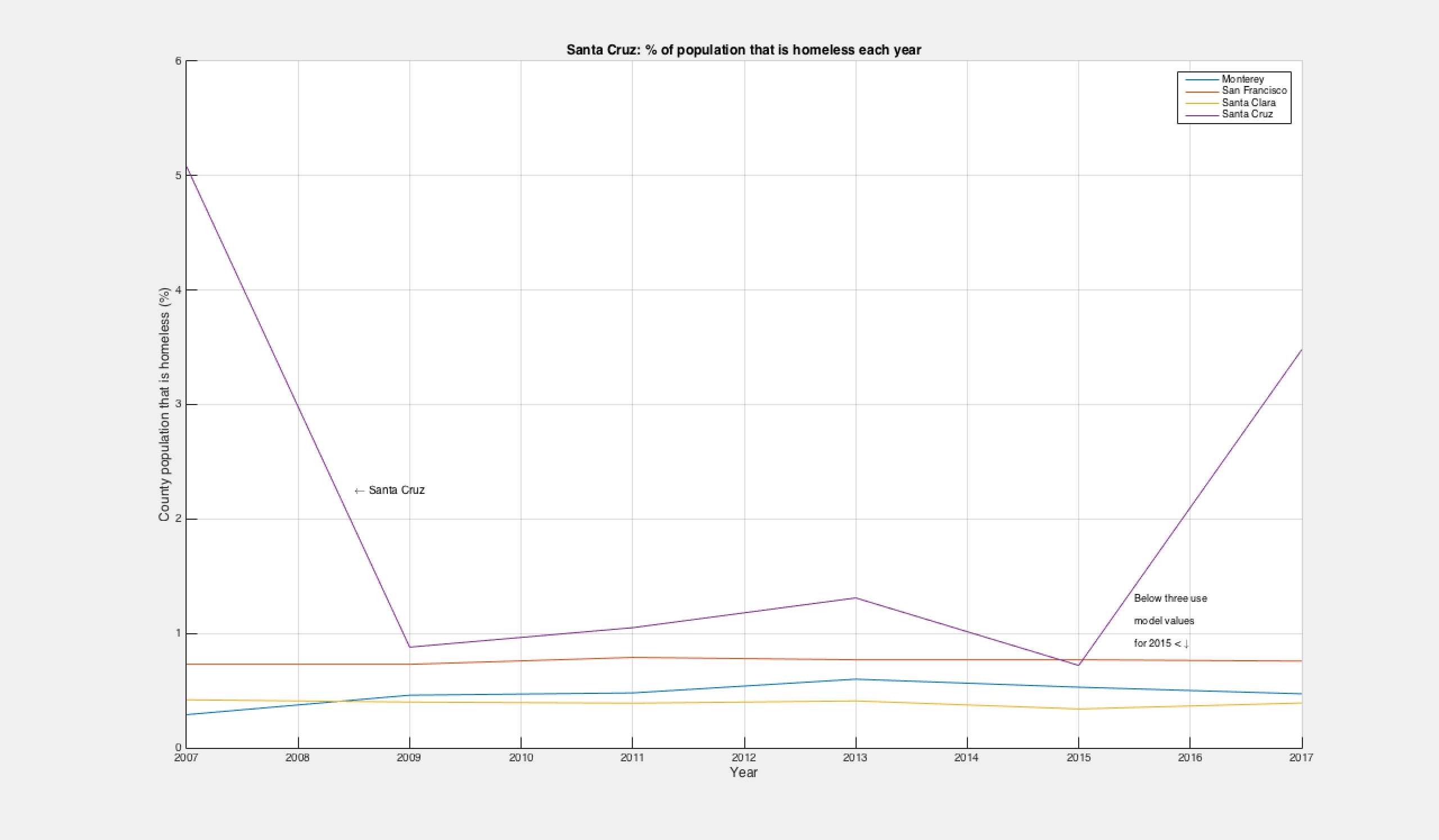
- County Level: % contributions to homeless population
-
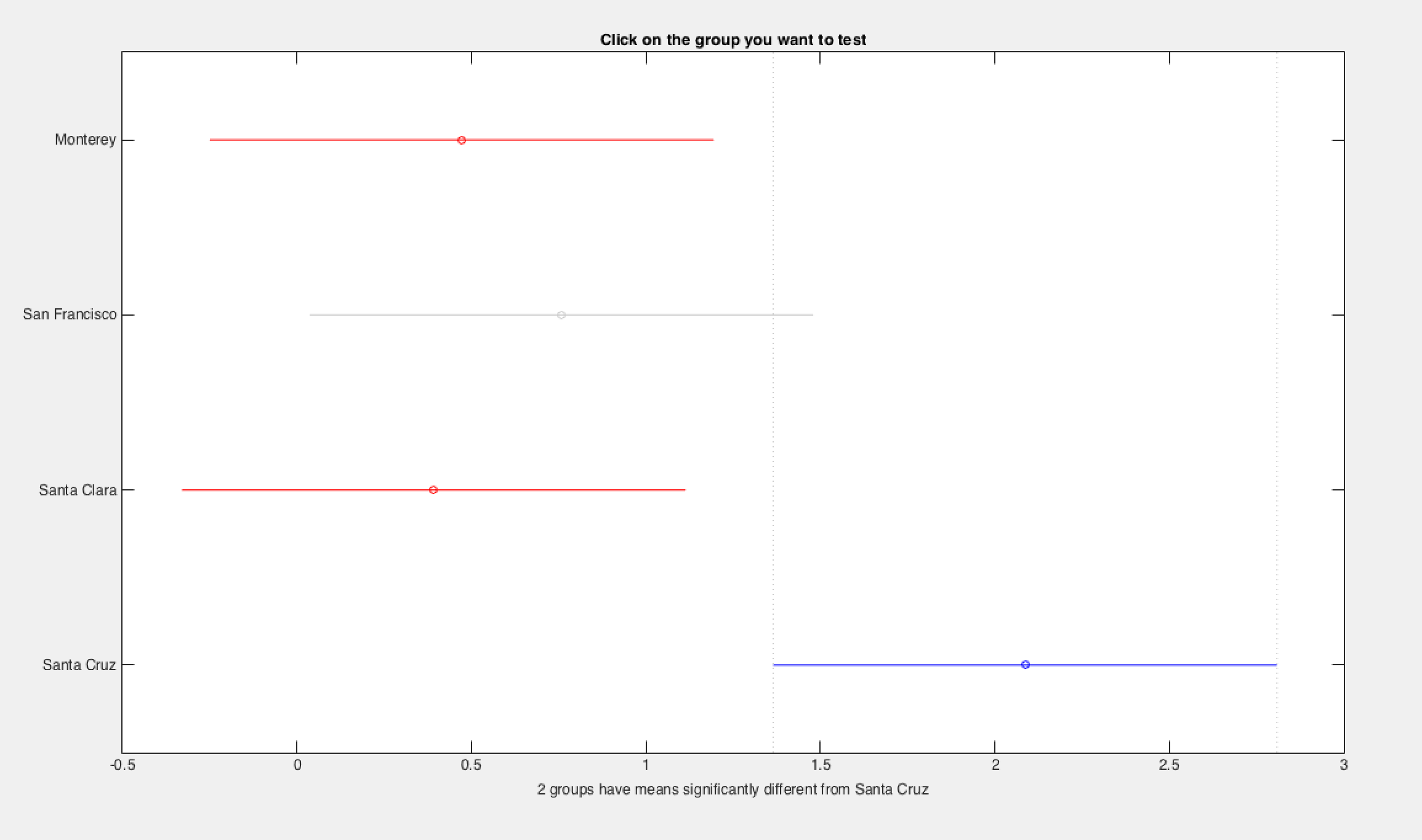
- County Level (Interactive Plot): means statistically different (red) from selected county (blue)
-
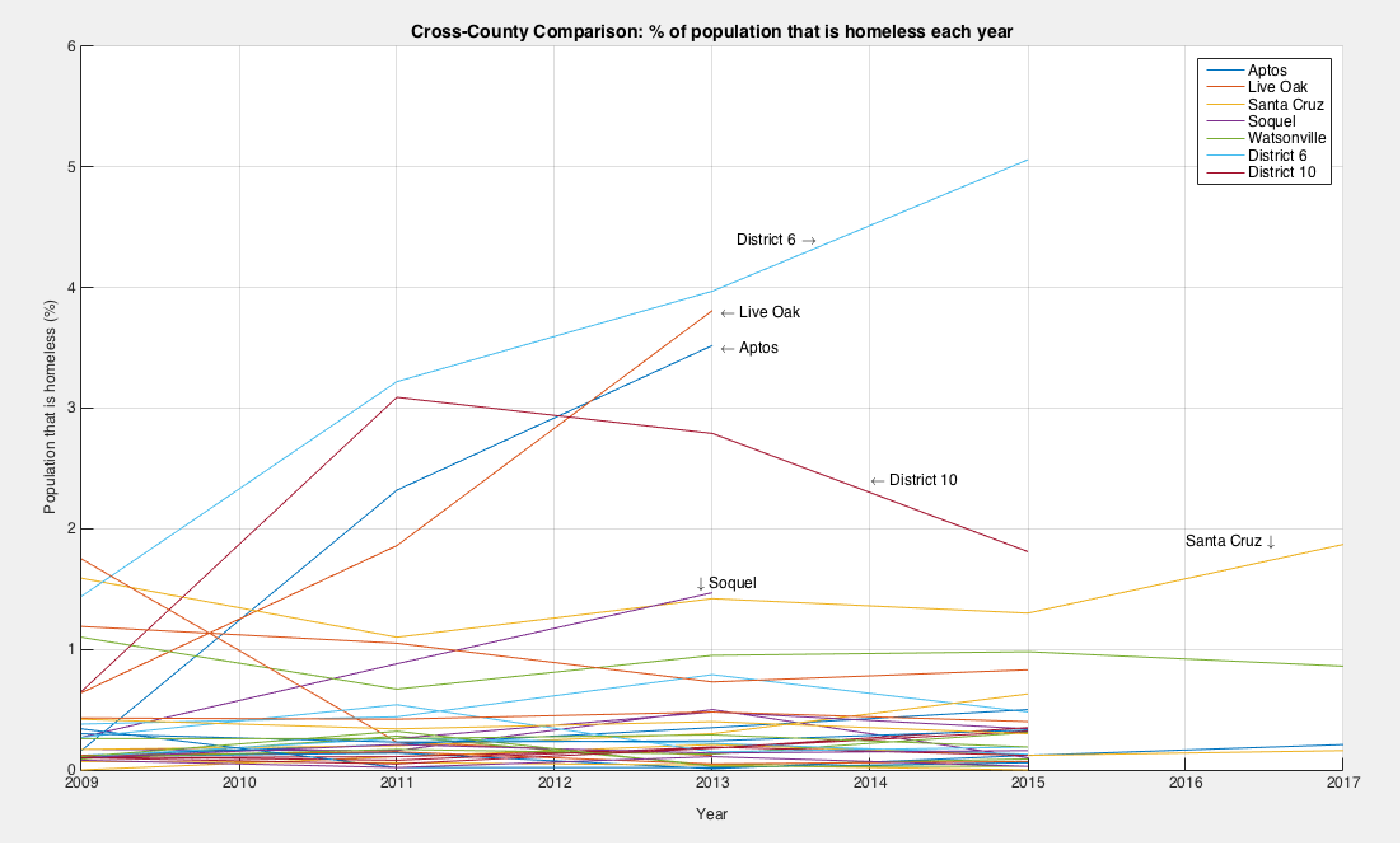
- Jurisdiction Level: % contributions to homeless population
-
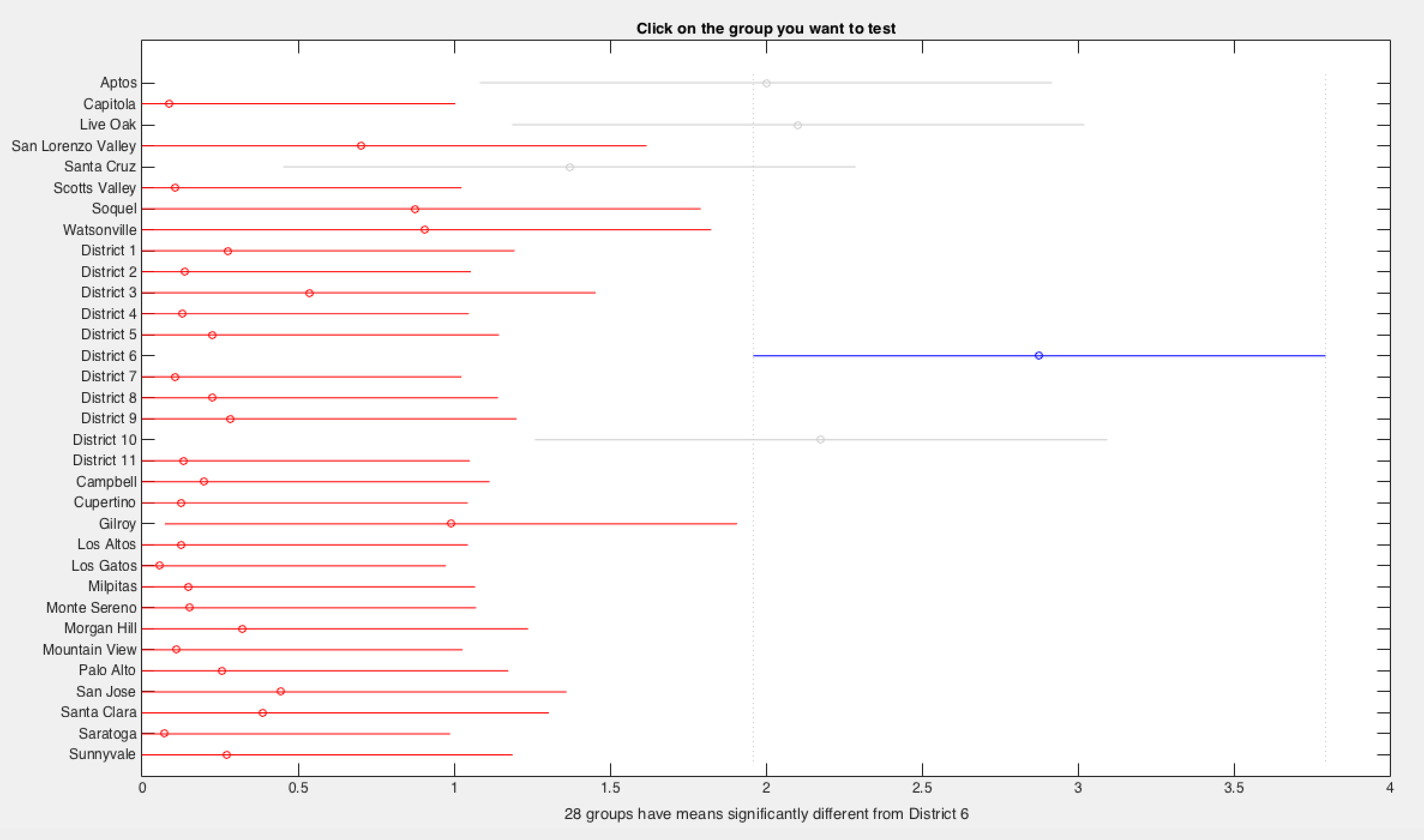
- Jurisdiction Level (Interactive Plot): means statistically different (red) from selected jurisdiction (blue)
-
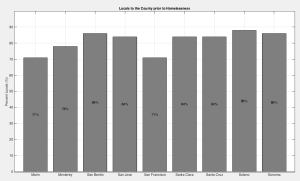
- % Locals before becoming homeless

-
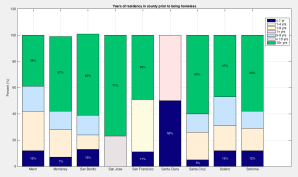
- Years of residency prior to becoming homeless
 Kendall Ronzano